

SENIOR OFFICERS UNDERGO TRAINING ON SECURITY AND INTELLIGENCE AGENCIES ACT, 2026
Story by Warrant Officer Class 1 Amoah Noel King
Pictures by Corporal Osei Ansh
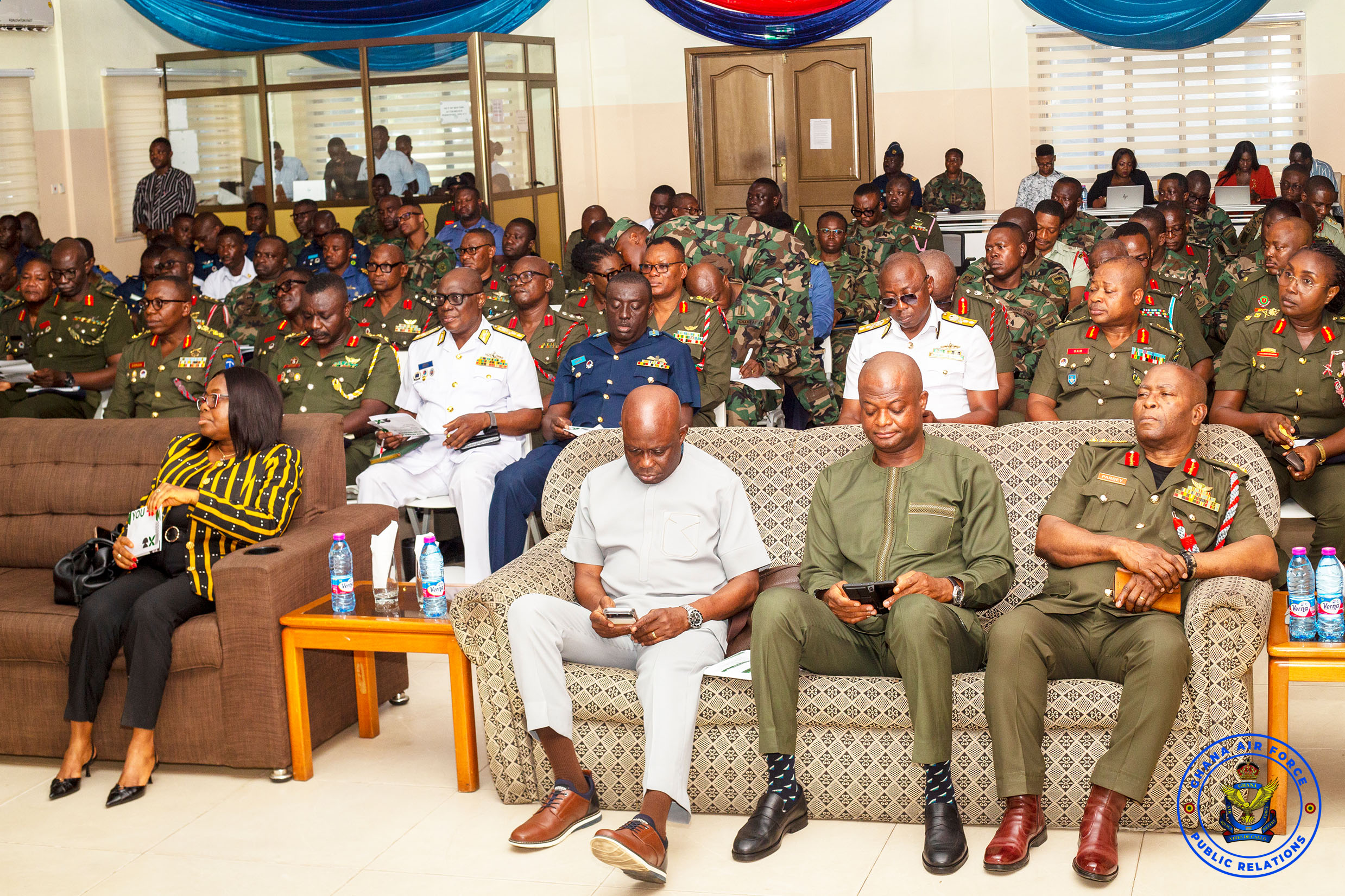
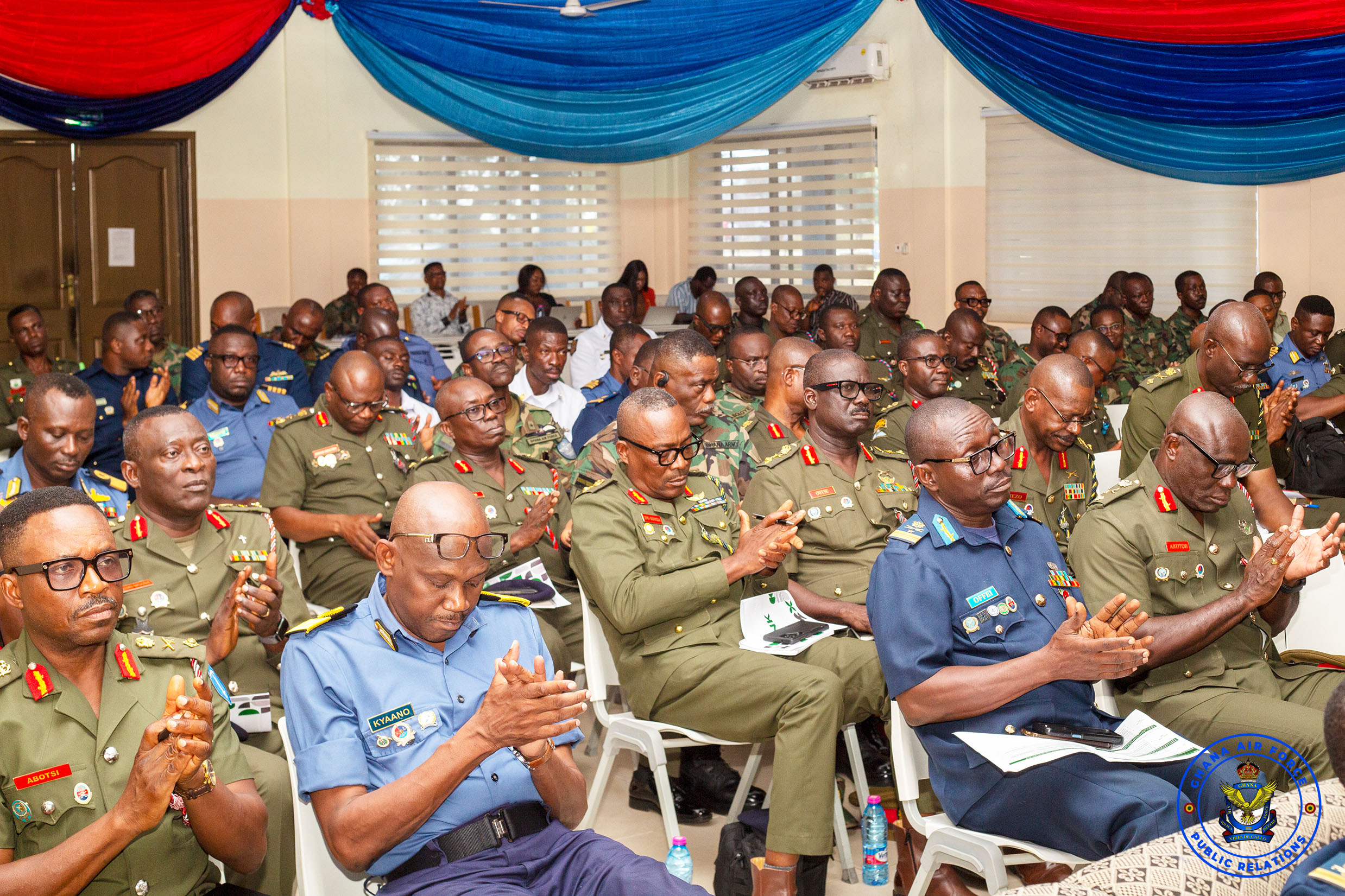
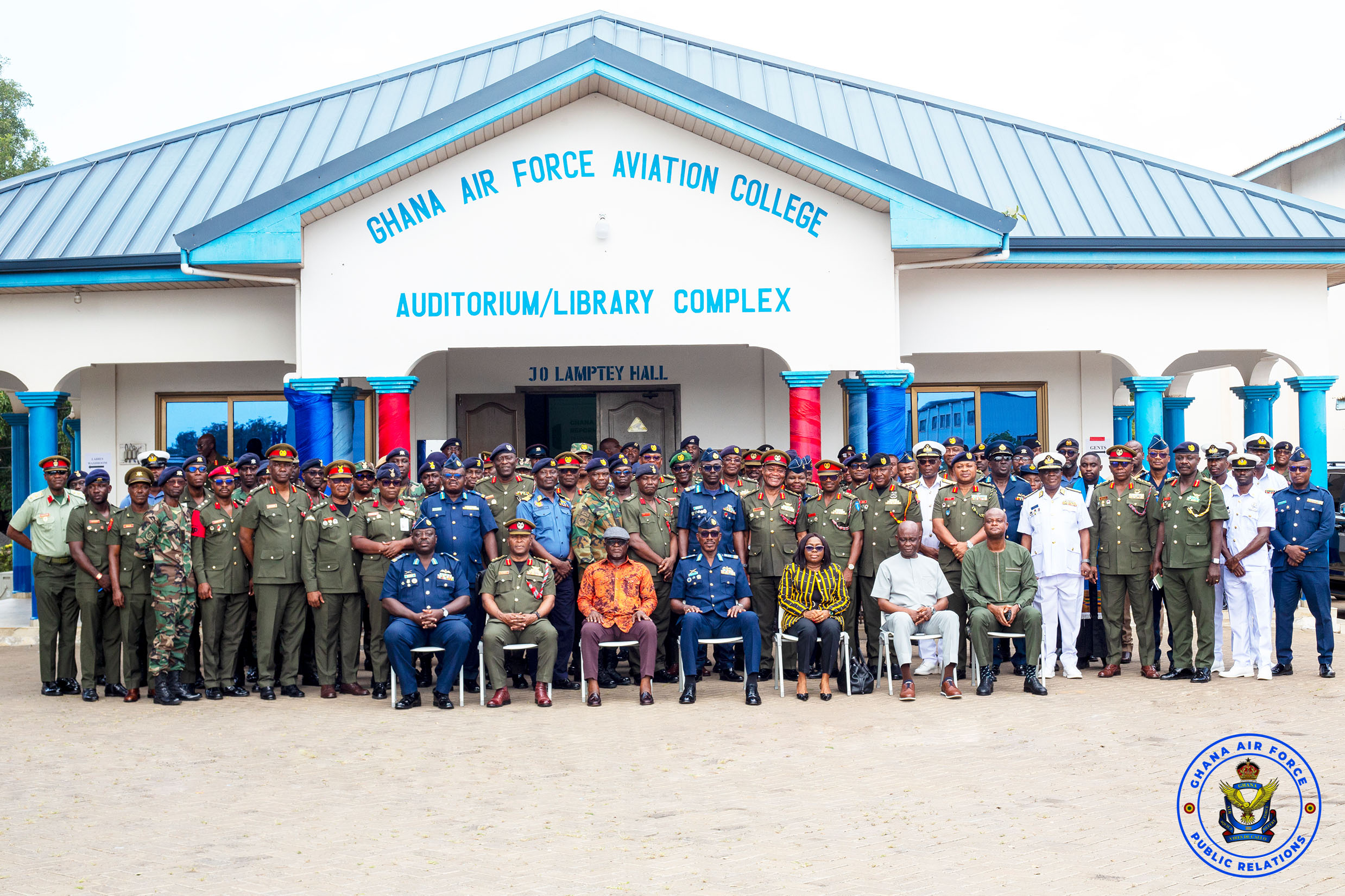
Senior Officers of the Ghana Armed Forces (GAF) have undergone training on the Security and Intelligence Agencies Act, 2026 (Act 1168), to strengthen their understanding of the legal framework governing national security, inter-agency cooperation and operational accountability.
The training, held on Friday, 16 October 2026, at the Ghana Air Force Aviation College (GHAFAC) at Air Force Base Accra, formed part of the Ghana National Security Reform Programme.
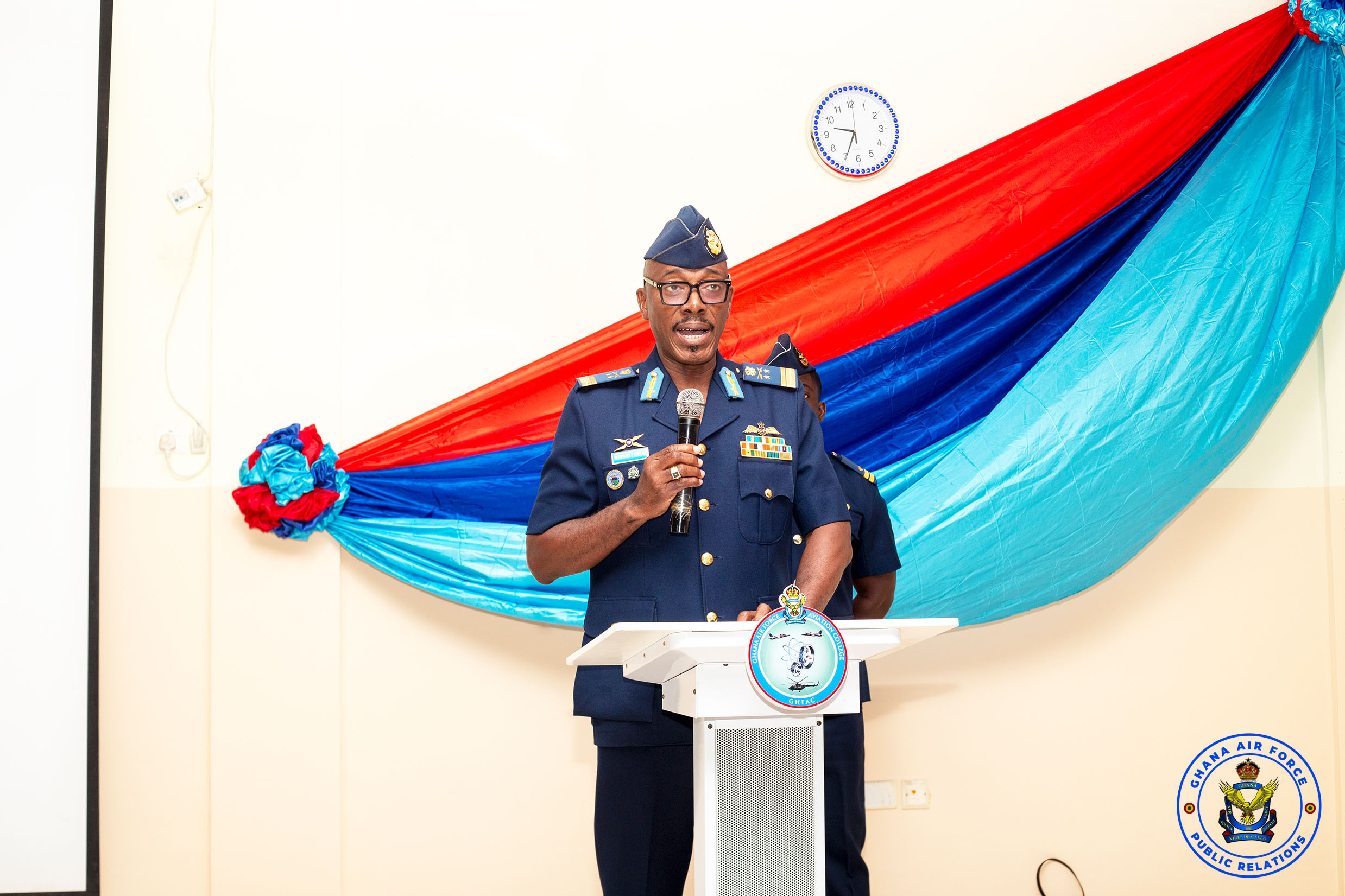
In his remarks, the Chief of Staff (COS) at the General Headquarters (GHQ), Air Vice Marshal (AVM) Joshua Lartei Mensah-Larkai, emphasised the importance of equipping security and intelligence practitioners with the knowledge required to perform their duties lawfully and effectively.
He noted that a clear understanding of the legal framework was essential to strengthening Ghana’s national security architecture and promote cooperation among security institutions. According to him personnel of the Ghana Armed Forces must ensure that their operational and administrative activities remain consistent with the law and the country’s constitutional obligations.
The Chief of Staff also underscored the evolving nature of security threats, noting that developments beyond national and administrative boundaries could affect Ghana’s communities, critical infrastructure and overall security. He therefore called for responsible information sharing, effective coordination and timely responses to emerging threats among Security Agencies.
He encouraged participants to engage actively in the training, seek clarification and share professional experiences to strengthen their collective response to security challenges.
Speaking on behalf of the National Security Coordinator, Major General William Azure Ayamdo (Rtd) who is the Deputy National Security Coordinator enphasised on stronger inter-agency cooperation, intelligence sharing and operational preparedness to address evolving national security threats and safeguard Ghana’s sovereignty.

He noted the need for the Ghana Army, Ghana Navy and Ghana Air Force to work closely with the Police Service, intelligence agencies, Immigration Service, Customs Division and other security institutions to improved information sharing and strengthen coordinated responses to emerging threats.
He said the modern security challenges require more than the collection of information and therefore intelligence must be carefully analysed and translated into reliable assessments to guide strategic decision-making and operational planning.
He further stressed the importance of identifying capability gaps, strengthening command and control systems, and regularly reviewing security policies and operational plans to ensure that institutions remain responsive to changing threats.
Major General Ayamdo (Rtd) observed that effective national security depended not only on equipment and technology but also on the quality of personnel, stressing that professionalism, discipline, integrity and respect for the chain of command remained essential to operational effectiveness and public confidence.
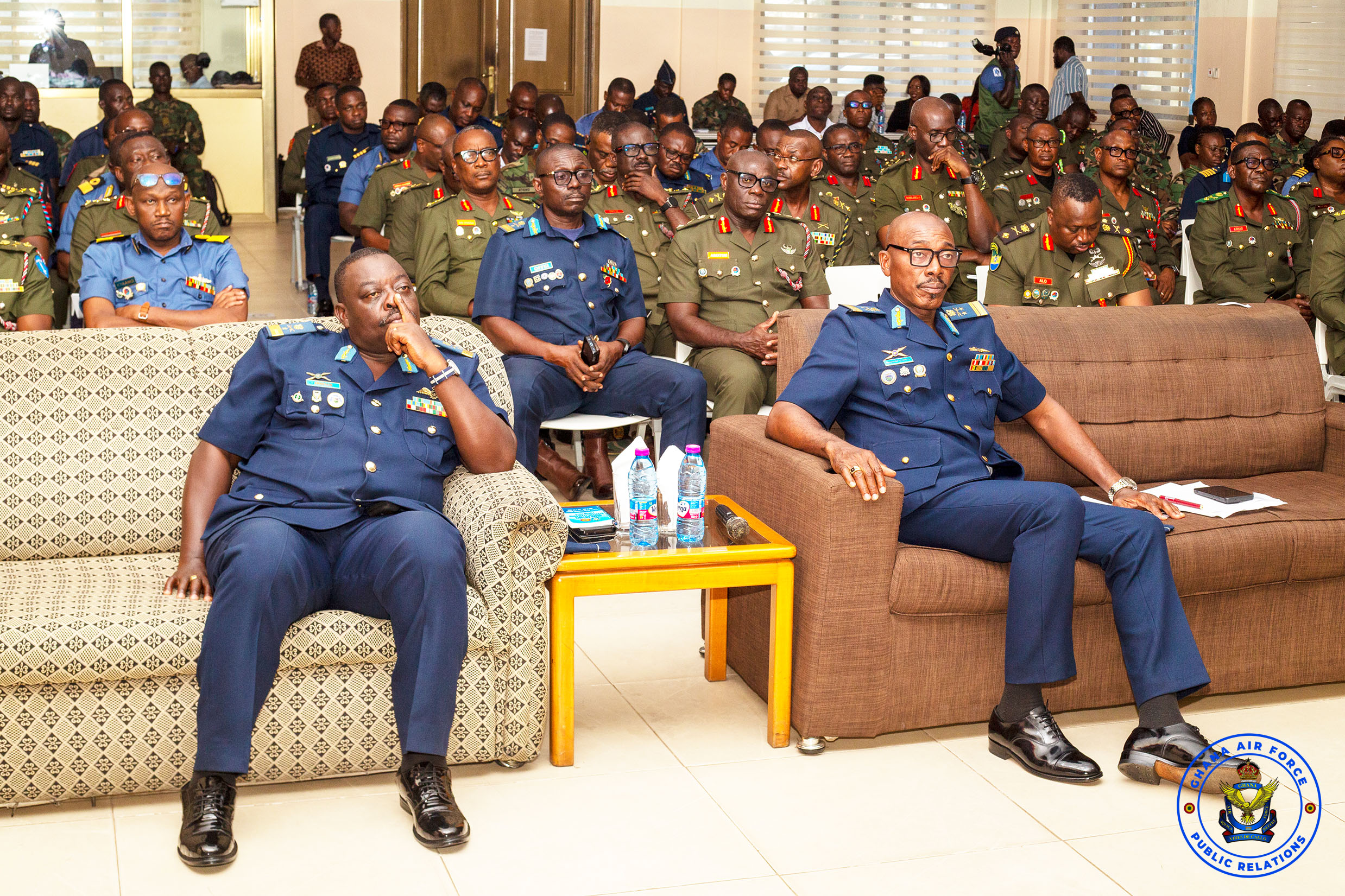
He urged security leaders to combine experience with adaptability while investing in personnel development and strengthening collaboration across institutions.
The programme featured Director, Ghana School of Law, Professor Raymond Akongburo Atuguba and International Security Advisor, Major General Dr Emmanuel Wekem Kotia (Rtd) as facilitators, offering legal and practical perspectives on the responsibilities of security institutions and the application of the legislation.
In his presentation, Maj Gen Kotia (Rtd), focused on the changing security environment, the role of the Ghana Armed Forces in addressing emerging threats, and the legal framework guiding the work of security institutions.
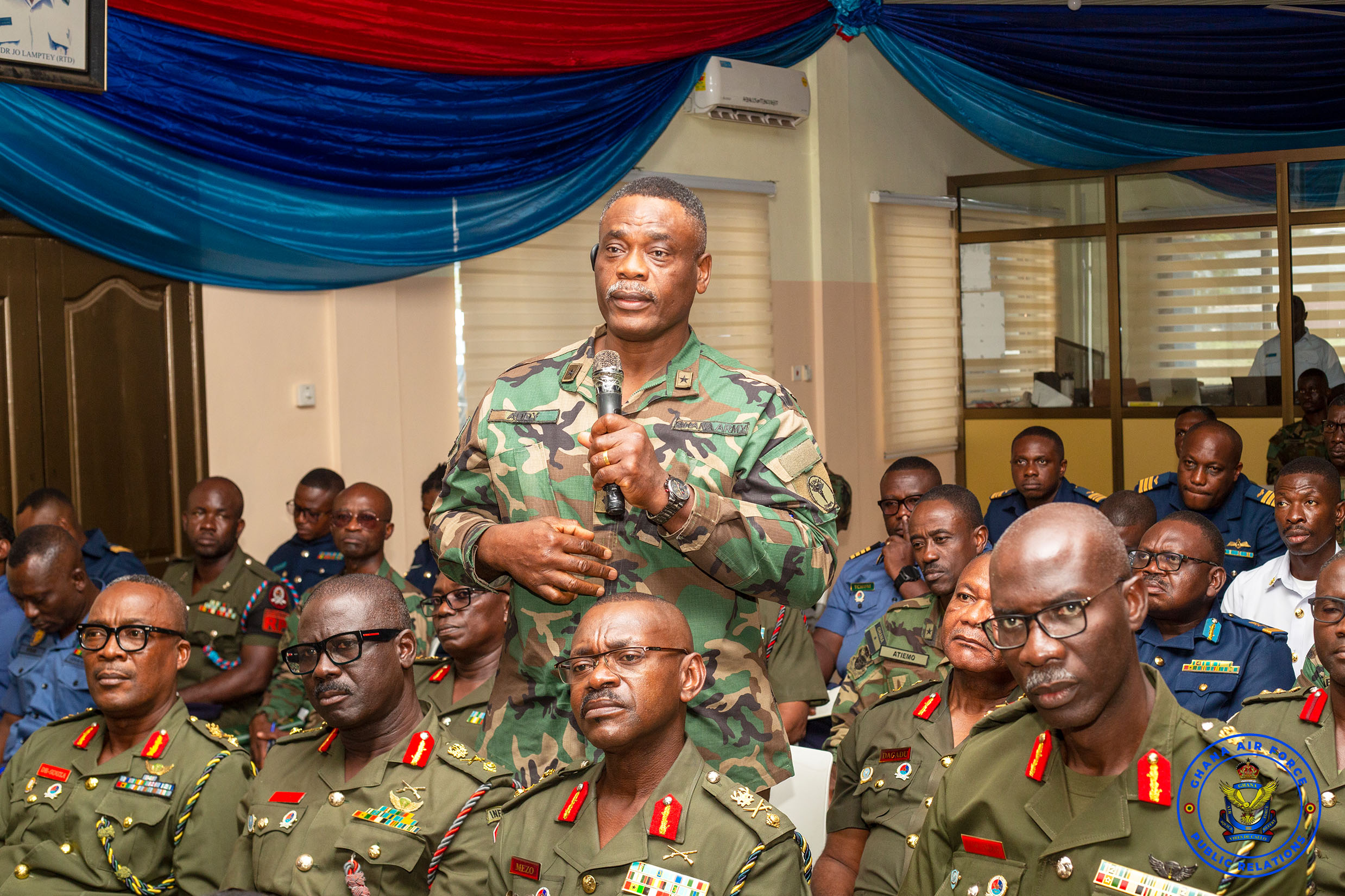
Prof Raymond A Atuguba on the other hand placed particular emphasis on the duties and accountability obligations of the Ghana Armed Forces, and highlighted on the importance of compliance with the law in the discharge of military responsibilities.
Join Our Mailing List
For receiving our news and updates in your inbox directly.